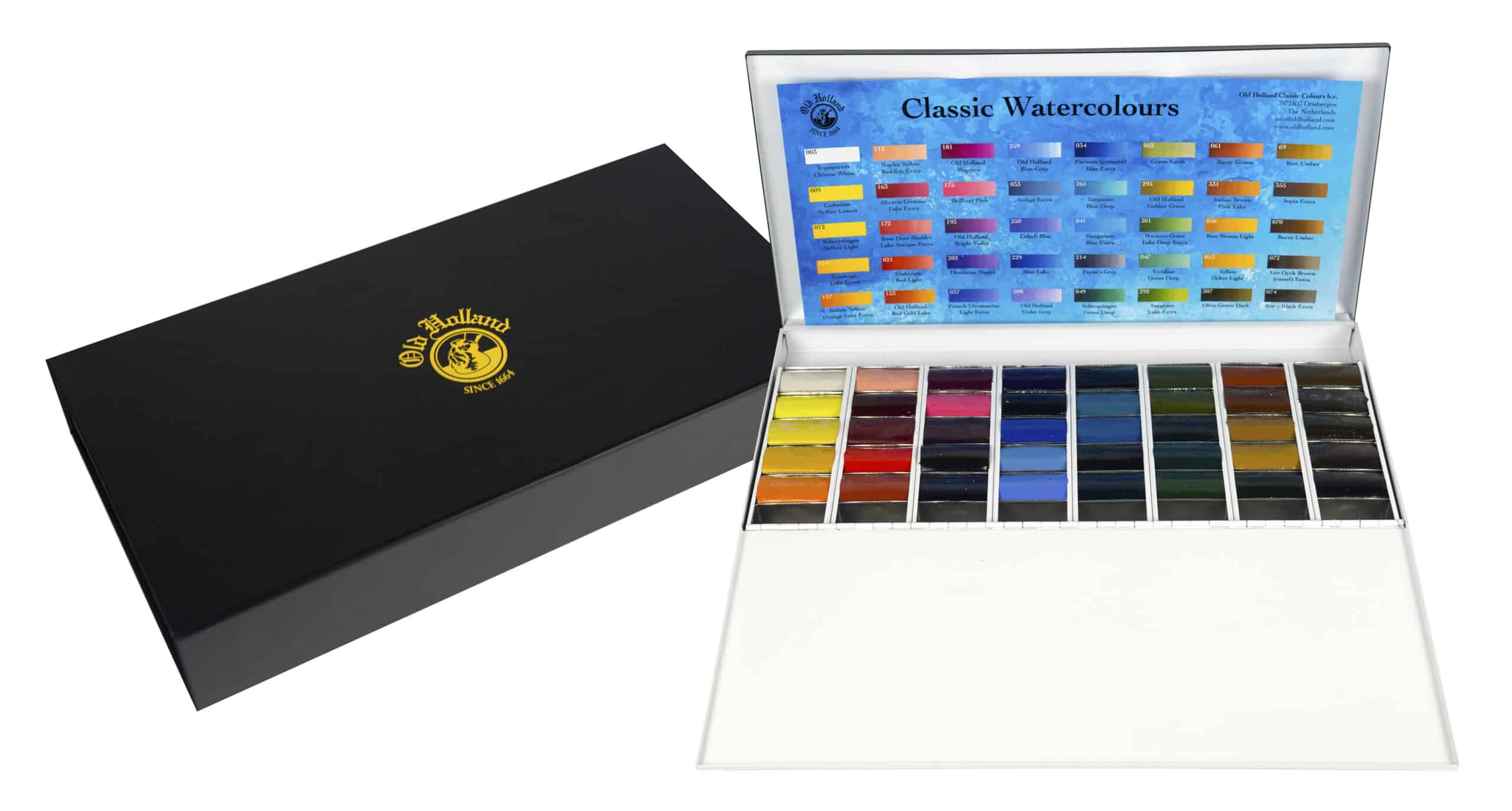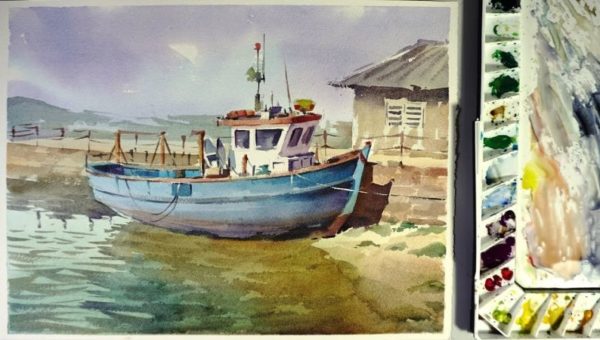





If you are using paints from pans, moisten them with a spray bottle 10 minutes before you start working. The paints will soften, making it easier for you to pick up the pigment with a brush.
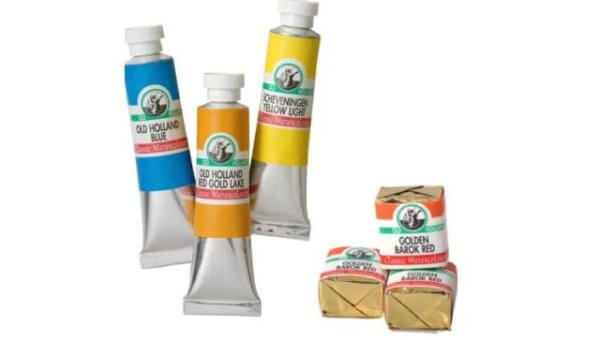
Beginners take it very timidly, on the very tip of the brush. And if the colours are not prepared for work, the chance to paint a fresh picture with the right saturated tone is close to zero. Don’t be afraid to pick up pigment, especially if you use colours in cuvettes. Draw the paint all the way down the pile, dipping it fully into the container, applying a little pressure and making circular movements with the brush. Only apply pigment with the tip of the brush if you are using fresh colour from the tubes.
Beginner watercolourists often use a brush that is too thin to fill the big details on the painting sucha a sky for example. But in this way you will not have time to make a smooth gradient: the paint will dry. The broader brush you take, the easier it will be to fill. This applies not only to the details such sky and water surface, but also to architectural elements, vegetation, and more.
This is probably the most common mistake and the biggest challenge for beginners. Please note: the more water on the paper, the less it should be on the brush, and vice versa. Alas, this rule is not always valid, in some cases it is not applicable. Only practice will help to understand and find the right ratio.
This one can cause puddles to form on the paper. You can remove excess water from the paper with a tissue to avoid such ‘surprises’.
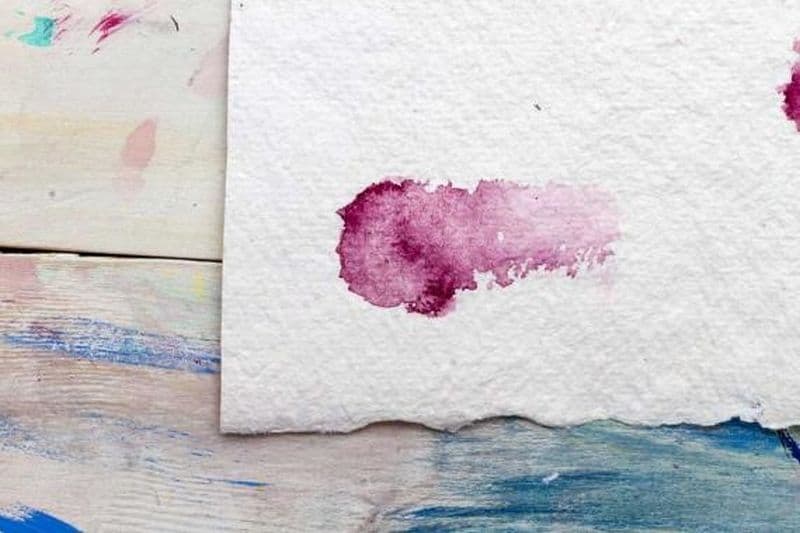
This mistake is common when trying to paint clouds or dark waves. The excess water will cause the strokes to spread out in different directions. In addition, you will not be able to get the right dark tone. There is also a high risk of blotches, which are beautiful in their own way, but not always appropriate. Squeeze out excess water with a tissue or cotton cloth to avoid these effects.
Watercolour loves freedom, don’t deprive it of that! We should perform a duet with the watercolour, sometimes allowing it to solo. This freedom can manifest itself in unexpected undercurrents, in spontaneous strokes and splashes. Allow the watercolour to flow as it pleases.